Product Description:
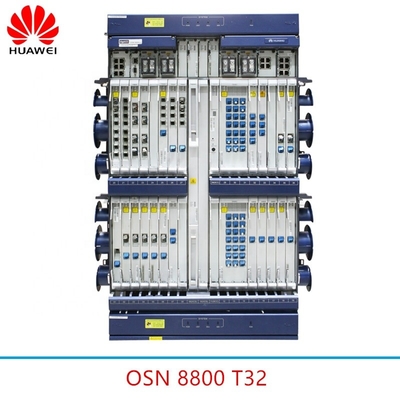
The Huawei DWDM product is a state-of-the-art solution designed to meet the growing demands of high-capacity optical networks. With a TDM capacity ranging from 20 to 60 Gbit/s, this product ensures robust and efficient data transmission over long distances, making it ideal for modern telecommunications infrastructures that require high bandwidth and low latency. Huawei’s DWDM technology supports seamless integration with existing network architectures, providing a scalable and flexible platform for expanding optical communication capabilities.
One of the standout features of the Huawei DWDM system is its broad compatibility. It is engineered to be fully compatible not only with Huawei optical equipment but also with third-party optical devices. This interoperability ensures that network operators can easily integrate Huawei DWDM solutions into diverse multi-vendor environments without worrying about compatibility issues. Such flexibility reduces integration costs and simplifies network upgrades, enabling smoother deployment and maintenance.
The Huawei DWDM product incorporates advanced protection mechanisms to guarantee network reliability and service continuity. It supports 1+1, 1:1, and shared protection schemes, offering multiple layers of fault tolerance to safeguard against potential failures. The 1+1 protection provides dedicated backup channels, ensuring immediate failover in case of a primary link failure. The 1:1 protection allows for efficient resource utilization by reserving backup channels that can be dynamically allocated, while shared protection optimizes bandwidth by sharing backup resources among multiple working channels. These protection options enable network operators to tailor the level of redundancy to their specific service requirements.
Amplification is a critical aspect of any DWDM system, and Huawei’s solution employs EDFA (Erbium-Doped Fiber Amplifier) technology to enhance signal strength and extend transmission distances. EDFAs are renowned for their high gain, low noise, and reliable performance, which helps maintain signal integrity over long-haul fiber optic links. By incorporating EDFA amplification, the Huawei DWDM product ensures superior optical signal quality, which is essential for supporting high-speed data services and minimizing signal degradation.
The power supply design of the Huawei DWDM system is optimized for telecom-grade reliability and efficiency. It supports both -48 V and -60 V DC power inputs, which are standard in telecommunications environments. This compatibility with conventional DC power supplies simplifies deployment in existing network facilities and ensures stable operation under various power conditions. The robust power design also contributes to the overall durability and resilience of the DWDM equipment, minimizing downtime and maintenance costs.
In addition to its core DWDM functionalities, Huawei offers complementary products such as the Huawei Storage Server, Fiber Optic CWDM DWDM AAWG Module, and Huawei SFP Module, which together provide a comprehensive optical networking ecosystem. The Huawei Storage Server is designed to deliver high-performance storage solutions that can be seamlessly integrated with DWDM networks, enabling efficient data management and access. The Fiber Optic CWDM DWDM AAWG Module enhances wavelength multiplexing capabilities, allowing for flexible channel allocation and improved spectral efficiency. Meanwhile, the Huawei SFP Module offers versatile and high-quality optical transceiver options that support various data rates and fiber types, ensuring optimal connectivity in different network scenarios.
Overall, the Huawei DWDM product stands out as a reliable, high-capacity, and flexible optical transmission solution. Its extensive compatibility, advanced protection mechanisms, efficient EDFA amplification, and robust power supply design make it an excellent choice for telecom operators and enterprises seeking to build or upgrade their optical networks. By leveraging this technology, organizations can achieve enhanced network performance, scalability, and resilience, supporting the continuous growth of data traffic and the evolution of next-generation communication services.
Features:
-
Product Name: Huawei DWDM
-
Amplification Type: EDFA (Erbium-Doped Fiber Amplifier)
-
Air Pressure Range: 70 KPa to 106 KPa
-
Protection Mechanism: 1+1, 1:1, Shared Protection
-
Power Supply: -48 V/-60 V DC
-
Number Name: ZXONE 8300
-
Compatible with Huawei NE40 Router for enhanced network performance
-
Supports Huawei SFP Module for flexible and efficient connectivity
-
Optimized to work seamlessly with Huawei NE40 Router for robust DWDM solutions
Technical Parameters:
|
Compatibility
|
Compatible With Huawei And Third-party Optical Equipment
|
|
Amplification Type
|
EDFA (Erbium-Doped Fiber Amplifier)
|
|
TDM Capacity
|
20-60 Gbit/s
|
|
Channel Spacing
|
50 GHz, 100 GHz
|
|
Model Number
|
ZXONE 8300
|
|
Physical Dimensions
|
Standard 19-inch Rack Mount
|
|
Port
|
HONGKONG Port & Shenzhen Port
|
|
Maximum Capacity
|
Up To 400 Gbps Per Wavelength
|
|
Protection Mechanism
|
1+1, 1:1, Shared Protection
|
|
Power Supply
|
-48 V/-60 V DC
|
Applications:
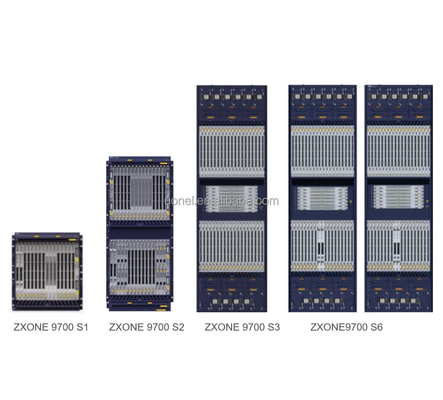
The Huawei DWDM product is designed to meet the demanding requirements of modern high-capacity optical networks. Its robust power supply options, supporting -48 V and -60 V DC, ensure stable and reliable operation in various telecommunications environments. The product's physical dimensions conform to the standard 19-inch rack mount format, facilitating easy integration into existing network infrastructure and data centers.
One of the primary application occasions for the Huawei DWDM product is in long-haul and metro fiber optic networks where high data rate transmission is critical. With a TDM capacity ranging from 20 to 60 Gbit/s, this product can efficiently handle large volumes of data traffic, making it ideal for service providers and enterprises requiring scalable and high-performance optical transport. The inclusion of the EDFA (Erbium-Doped Fiber Amplifier) amplification type enhances signal strength over extended distances, reducing the need for frequent regeneration and lowering operational costs.
The Huawei DWDM product is frequently deployed alongside Huawei NE40 routers, enabling seamless integration and optimized network performance. This combination supports advanced routing and switching capabilities, ensuring high-speed data transfer and low latency across the network. Additionally, the product is compatible with Huawei SFP modules, which provide flexible and modular interface options for various network configurations.
In terms of port locations, the Huawei DWDM units are available with ports in strategic hubs such as Hong Kong Port and Shenzhen Port. These locations are critical for international and regional data traffic, providing essential connectivity points for cross-border communications and high-density network exchanges.
The Huawei DWDM solution also supports Fiber Optic CWDM DWDM AAWG modules, which are essential for wavelength multiplexing and demultiplexing. This capability allows service providers to maximize bandwidth utilization on existing fiber infrastructure by combining multiple wavelengths into a single fiber, thereby increasing network capacity without additional fiber deployment.
Overall, the Huawei DWDM product is suitable for a wide range of application scenarios including telecommunications carriers, data center interconnects, enterprise networks, and cloud service providers. Its high TDM capacity, reliable power supply, standard rack-mount design, and advanced amplification technology make it an indispensable component in modern optical transport networks, ensuring high-speed, scalable, and cost-effective data transmission.
Customization:
Huawei offers product customization services for the ZXONE 8300, a high-performance SDH PDH equipment designed for advanced optical communication networks. This product features an EDFA (Erbium-Doped Fiber Amplifier) amplification type, ensuring superior signal strength and transmission quality.
The ZXONE 8300 is compatible with Huawei SFP Module and Fiber Optic CWDM DWDM AAWG Module, providing flexible and scalable solutions for various network requirements. It supports standard 19-inch rack mount installation, making it suitable for efficient space management in data centers and telecom rooms.
Customers can choose from multiple port options, including HONGKONG Port and Shenzhen Port, to meet their specific deployment needs. Huawei's customization services ensure that the ZXONE 8300 is tailored to deliver optimal performance, reliability, and seamless integration with existing infrastructure.
Support and Services:
Huawei DWDM (Dense Wavelength Division Multiplexing) products are designed to provide high-capacity, long-distance optical transmission solutions for telecommunications networks. Our comprehensive technical support and professional services ensure that your DWDM systems operate efficiently and reliably.
Our technical support includes 24/7 remote assistance, troubleshooting, and maintenance services provided by certified experts. We offer software updates, patches, and technical documentation to keep your DWDM network up to date and secure.
Huawei’s DWDM services also encompass system design consultation, installation guidance, and commissioning support to ensure optimal network performance. Our engineers assist with network planning, parameter configuration, and integration with existing infrastructure.
In addition, we provide training programs and workshops to help your technical staff understand and manage Huawei DWDM equipment effectively. Customized service packages are available to meet the specific needs of your organization.
With Huawei DWDM product support and services, you gain a reliable partner committed to maximizing your network uptime and accelerating your digital transformation.
Packing and Shipping:
Product Packaging:
The Huawei DWDM product is carefully packaged to ensure maximum protection during transportation. Each unit is enclosed in anti-static bags and cushioned with foam inserts inside a sturdy, high-quality cardboard box. The packaging is designed to prevent damage from shocks, vibrations, and moisture. All accessories, including power cables, mounting brackets, and user manuals, are securely packed within the box. The exterior of the package is clearly labeled with product information, handling instructions, and Huawei branding.
Shipping:
Huawei DWDM products are shipped using reliable logistics providers to ensure timely and safe delivery worldwide. Each shipment is tracked with a unique tracking number for customer convenience. The products are shipped in compliance with international shipping standards and regulations. For bulk orders, products may be palletized and wrapped to enhance stability during transit. Upon receipt, customers are advised to inspect the packaging and contents for any damage and report discrepancies immediately to Huawei customer service.
FAQ:
Q1: What is Huawei DWDM and what applications is it best suited for?
A1: Huawei DWDM (Dense Wavelength Division Multiplexing) is an advanced optical transmission technology that enables high-capacity data transport over long distances. It is best suited for telecommunications networks, data center interconnections, and metro and long-haul backbone networks requiring high bandwidth and low latency.
Q2: What are the key features of Huawei DWDM products?
A2: Huawei DWDM products feature high integration, flexible networking capabilities, ultra-large capacity transmission, low power consumption, and intelligent network management. They support multi-service transmission including IP, Ethernet, OTN, and storage protocols, ensuring efficient and scalable network deployment.
Q3: How does Huawei DWDM ensure high reliability and network stability?
A3: Huawei DWDM systems incorporate automatic fault detection, protection switching, and network redundancy mechanisms such as 1+1 and 1:1 protection. Additionally, the solution supports real-time monitoring and intelligent fault diagnosis to minimize downtime and maintain continuous service.
Q4: Can Huawei DWDM integrate with existing network infrastructure?
A4: Yes, Huawei DWDM products are designed to seamlessly integrate with existing network infrastructures, supporting multiple protocols and interfaces. They provide smooth migration paths and interoperability with third-party equipment, making network upgrades and expansions straightforward.
Q5: What network management options are available for Huawei DWDM?
A5: Huawei DWDM offers comprehensive network management through its advanced NMS (Network Management System) and EMS (Element Management System). These management platforms provide centralized control, configuration, performance monitoring, and fault management, supporting automation and intelligent operation.


 Your message must be between 20-3,000 characters!