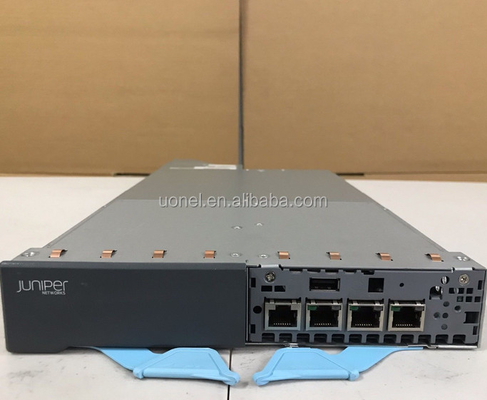
Product Description:
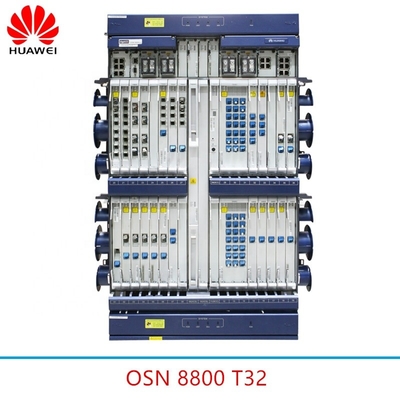
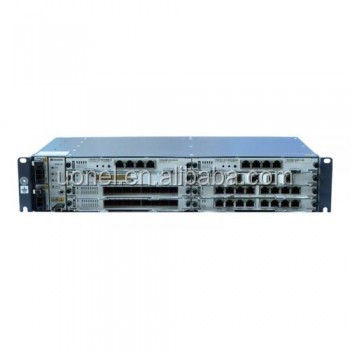
The Huawei Gigabit Network Switch is a high-performance network device designed to meet the demanding requirements of modern enterprise and service provider networks. Featuring robust hardware capabilities, this switch is engineered to deliver reliable, efficient, and scalable network connectivity. With its advanced design and comprehensive features, the Huawei Gigabit Network Switch stands out as an ideal choice for businesses seeking enhanced network performance and flexibility.
At the core of this switch’s functionality is its impressive hardware configuration. It boasts 48 downlink ports, each supporting Ethernet speeds of 10/100/1,000 Mbps, ensuring seamless data transmission across a variety of connected devices. This extensive port density allows for the consolidation of network connections, reducing the need for additional switches and simplifying network management. The switch’s hardware architecture is optimized for stability and durability, ensuring consistent performance even under heavy network loads.
One of the key features of the Huawei Gigabit Network Switch is its support for PoE+ (Power over Ethernet Plus). This capability allows the switch to deliver power alongside data through a single Ethernet cable to compatible devices such as IP cameras, wireless access points, and VoIP phones. PoE+ extends the power output beyond the standard PoE, providing up to 30 watts per port, which makes it suitable for powering more demanding devices without the need for separate power supplies. This not only simplifies installation but also reduces cabling costs and improves overall network efficiency.
In terms of operational voltage, the Huawei Gigabit Network Switch is designed to accommodate a wide range of power inputs. It supports an AC voltage range from 90 V to 290 V, and a high-voltage DC (HVDC) range from 190 V to 290 V. This flexibility ensures that the switch can operate reliably in various power environments, making it suitable for deployment in diverse geographic locations and infrastructure setups. The robust power design contributes to the switch’s high availability and reduces the risk of downtime caused by power fluctuations.
When comparing the Huawei Gigabit Network Switch to other market options, such as the Cisco 9200l Switch, it is evident that Huawei offers a competitive alternative with similar or superior capabilities. While the Cisco 9200l Switch is known for its solid performance and enterprise-grade features, the Huawei switch provides comparable port density and PoE+ support, often at a more cost-effective price point. Additionally, the Huawei switch integrates seamlessly with other Huawei networking products, including the HUAWEI GPON ONU, facilitating comprehensive network solutions that cover both wired and fiber-optic connections.
The integration with HUAWEI GPON ONU devices is particularly advantageous for service providers and enterprises looking to deploy fiber-to-the-premises (FTTP) or fiber-to-the-building (FTTB) solutions. By combining the Huawei Gigabit Network Switch with HUAWEI GPON ONU units, organizations can build versatile and scalable access networks that support high-speed broadband services, voice, and video applications. This synergy enhances overall network performance and user experience while maintaining streamlined management across different network layers.
Moreover, the Huawei Gigabit Network Switch supports advanced network features such as VLAN segmentation, QoS (Quality of Service), and enhanced security protocols, which are essential for managing traffic efficiently and protecting sensitive data. These features ensure that critical applications receive the necessary bandwidth and priority, reducing latency and improving overall network reliability.
In summary, the Huawei Gigabit Network Switch is a powerful and versatile networking device that offers exceptional hardware performance, extensive port capacity, and PoE+ support. Its wide operating voltage range ensures adaptability to various power conditions, while its compatibility with devices like the HUAWEI GPON ONU creates opportunities for integrated network solutions. When evaluated alongside well-known alternatives like the Cisco 9200l Switch, the Huawei switch emerges as a strong contender, delivering reliable connectivity, cost efficiency, and advanced features suitable for modern network environments.
Features:
-
Product Name: Huawei Network Switches
-
Title: Gigabit Network Switch
-
PoE Support: PoE+
-
Forwarding Rate: Up To Hundreds Of Mpps (Million Packets Per Second)
-
Memory: 512 MB
-
Downlink Ports: 48 x Ethernet 10/100/1,000 Ports
-
Compatible with HUAWEI GPON ONU for enhanced network performance
-
Designed to integrate seamlessly with HUAWEI GPON ONU devices
-
Optimized for use alongside HUAWEI GPON ONU systems in various network environments
Applications:
Huawei Network Switches are designed to meet the demanding needs of modern network environments, making them an ideal choice for a wide range of application occasions and scenarios. With 48 Ethernet 10/100/1,000 downlink ports, these switches provide robust connectivity options suitable for enterprises, data centers, and large office networks. Their high port density allows seamless integration of multiple devices, ensuring efficient data transmission and reliable network performance.
One common application scenario for Huawei Network Switches is within enterprise LANs where high-speed, stable connections are critical. The switches support PoE+ functionality, enabling power delivery to connected devices such as IP phones, wireless access points, and security cameras without the need for additional power supplies. This feature simplifies installation and reduces overall infrastructure costs. Additionally, the switches operate within a wide voltage range (AC: 90 V to 290 V, HVDC: 190 V to 290 V), ensuring reliable performance even in environments with fluctuating power conditions.
Another key application is in conjunction with HUAWEI GPON ONU devices, where Huawei Network Switches serve as an aggregation layer to manage and distribute data efficiently from optical network units. This setup is particularly beneficial for telecommunications providers and internet service providers aiming to deliver high-speed broadband services with low latency. The switches’ sensitivity of -30dBm ensures excellent signal reception and stability, complementing the performance of HUAWEI GPON ONU systems.
In comparison to competitors such as the Cisco 9200l Switch, Huawei Network Switches offer competitive features including enhanced memory capacity of 512 MB, which supports advanced network features and improves overall device responsiveness. Their combination of high port count, PoE+ support, and robust voltage tolerance makes them well-suited for deployment in complex network infrastructures, including smart buildings, campus networks, and industrial automation environments.
Overall, Huawei Network Switches are versatile and reliable solutions designed for scenarios requiring high-density connectivity, stable power delivery, and optimal network performance. Whether integrated with HUAWEI GPON ONU devices or deployed as standalone switches competing with models like the Cisco 9200l Switch, they provide the scalability and robustness needed to support modern digital transformation efforts across various industries.
Packing and Shipping:
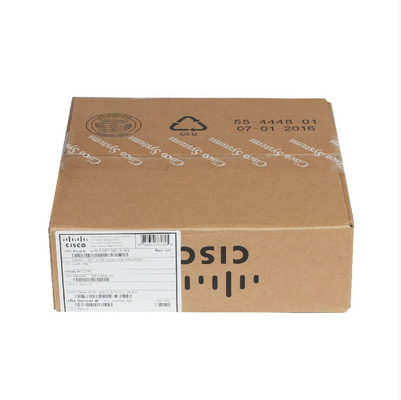
Huawei Network Switches are carefully packaged to ensure safety and integrity during transit. Each switch is enclosed in an anti-static bag to protect against electrostatic discharge, and then securely placed within a custom-fitted foam insert to prevent movement and damage. The foam insert, along with the switch, is housed inside a sturdy corrugated cardboard box designed to withstand rough handling.
Additional accessories such as power cords, mounting brackets, and user manuals are included in the package, organized in separate compartments to avoid damage. The exterior of the packaging is clearly labeled with product information, handling instructions, and shipping labels to facilitate smooth logistics and inventory management.
For shipping, Huawei Network Switches are handled with care by professional logistics partners and are often transported in climate-controlled environments to prevent exposure to extreme temperatures or humidity. The packaging meets international shipping standards to ensure the product arrives safely and in perfect working condition to customers worldwide.
FAQ:
Q1: What types of Huawei Network Switches are available?
A1: Huawei Network Switches come in various types including fixed switches, modular switches, data center switches, and campus switches, designed to meet different networking needs and scales.
Q2: Are Huawei Network Switches compatible with other brands?
A2: Yes, Huawei Network Switches support standard networking protocols, ensuring compatibility and interoperability with switches and devices from other major brands.
Q3: What management options are available for Huawei Network Switches?
A3: Huawei Network Switches can be managed via web-based GUI, command-line interface (CLI), SNMP, and Huawei’s eSight network management software, providing flexibility for different user preferences.
Q4: Can Huawei Network Switches support Power over Ethernet (PoE)?
A4: Many Huawei Network Switch models support Power over Ethernet (PoE) and PoE+ standards, enabling them to power connected devices such as IP cameras, phones, and wireless access points.
Q5: What security features do Huawei Network Switches offer?
A5: Huawei Network Switches incorporate multiple security features including port security, access control lists (ACLs), 802.1X authentication, and DHCP snooping to help protect your network from unauthorized access and attacks.


 Your message must be between 20-3,000 characters!