Product Description:
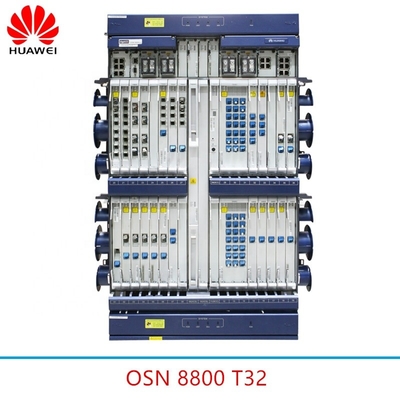
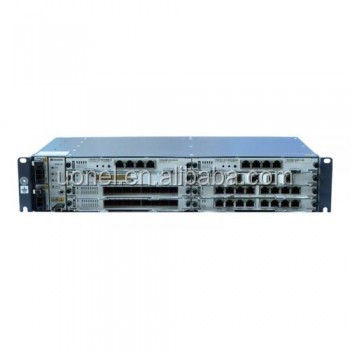
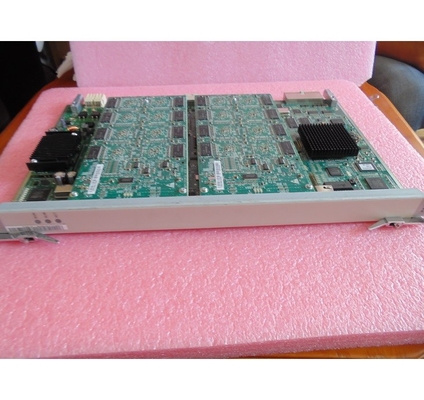
The Huawei Synchronous Digital Hierarchy (SDH) product is a state-of-the-art telecommunications solution designed to meet the high demands of modern network infrastructure. Known for its reliability, scalability, and robust performance, the Huawei Synchronous Digital Hierarchy system plays a crucial role in ensuring seamless data transmission across long distances with minimal latency and maximum efficiency. This product is engineered to support a variety of voice and data services, making it an ideal choice for telecom operators and enterprises seeking to enhance their communication networks.
One of the key features of the Huawei Synchronous Digital Hierarchy product is its support for multiple voice protocols, including SIP (Session Initiation Protocol) and H.248, which are available as optional configurations. These protocols enable the integration of voice services over IP networks, facilitating efficient and flexible communication solutions that cater to diverse business needs. The inclusion of SIP and H.248 ensures compatibility with a wide range of VoIP applications, enhancing the overall versatility of the Huawei Synchronous Digital Hierarchy system.
Security is a paramount consideration in modern networking, and the Huawei Synchronous Digital Hierarchy product addresses this with robust encryption standards. It employs WPA2-PSK (Wi-Fi Protected Access 2 - Pre-Shared Key) encryption, which is widely recognized for its strong protection against unauthorized access and data breaches. By utilizing WPA2-PSK, the Huawei Synchronous Digital Hierarchy ensures that all transmitted data remains secure, maintaining the integrity and confidentiality of sensitive information across the network.
In terms of product availability, the Huawei Synchronous Digital Hierarchy is currently in stock, allowing for prompt delivery and deployment. This availability is particularly advantageous for organizations looking to upgrade or expand their network infrastructure without experiencing delays. The product’s stock status reflects Huawei’s commitment to meeting customer demand efficiently, ensuring that businesses can maintain operational continuity and capitalize on new technological advancements without interruption.
The Huawei Synchronous Digital Hierarchy product weighs approximately 20 kilograms, making it a substantial yet manageable piece of equipment within network setups. The weight reflects the robust construction and high-quality materials used to ensure durability and stable performance under various environmental conditions. This physical attribute is important for logistics and installation planning, enabling network engineers to prepare adequately for handling and mounting the equipment in data centers or communication hubs.
Huawei backs the Synchronous Digital Hierarchy product with a comprehensive 1-year warranty, providing customers with assurance and peace of mind. This warranty covers any manufacturing defects and potential malfunctions, demonstrating Huawei’s confidence in the product’s quality and reliability. The warranty service is supported by Huawei’s extensive global network of technical support and customer service teams, ensuring timely assistance and minimal downtime in the event of issues.
Overall, the Huawei Synchronous Digital Hierarchy product represents a robust, secure, and versatile solution for modern telecommunications networks. Its support for advanced voice protocols like SIP and H.248, combined with WPA2-PSK encryption, ensures both high performance and security. With immediate availability, a manageable weight of 20kg, and a 1-year warranty, this product is designed to meet the evolving needs of network operators and enterprises alike. Choosing the Huawei Synchronous Digital Hierarchy means investing in a reliable infrastructure component that will support seamless communication and data transmission for years to come.
Technical Parameters:
|
Products Status
|
Stock
|
|
Optical Interface
|
STM-16/4/1
|
|
Power Consumption
|
<2250 Watts
|
|
Encryption Type
|
WPA2-PSK
|
|
WAN Ports
|
2
|
|
Type
|
CTN
|
|
Ports
|
FE/GE/10GE/40GE/E1/T1
|
|
Rack Dimensions
|
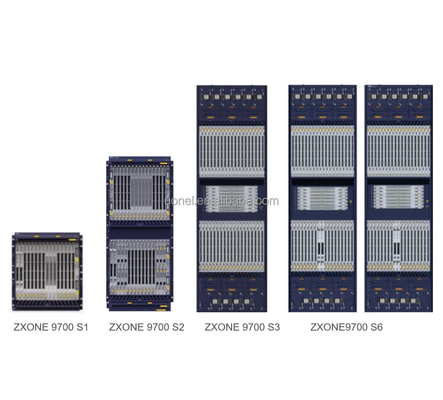
2600x600x600mm
|
|
Warranty
|
1 Year
|
|
Weight
|
20kg
|
Applications:
The Huawei Synchronous Digital Hierarchy (SDH) product, model number sdh, is designed to meet the demanding requirements of modern telecommunications networks. With a robust switching capacity of 640G to 1.28T, this high-performance solution ensures seamless data transmission and reliable network connectivity. The Huawei Synchronous Digital Hierarchy is ideal for a variety of application occasions and scenarios where high-speed, stable, and scalable networking infrastructure is essential.
One of the primary application occasions for the Huawei Synchronous Digital Hierarchy is in metropolitan area networks (MANs) and wide area networks (WANs) where large volumes of data traffic need to be efficiently managed. The product’s support for multiple optical interfaces, including STM-16, STM-4, and STM-1, allows it to integrate smoothly into existing network architectures, providing versatile and flexible connectivity options. Service providers can leverage this capability to deliver high-quality voice, data, and video services to end-users.
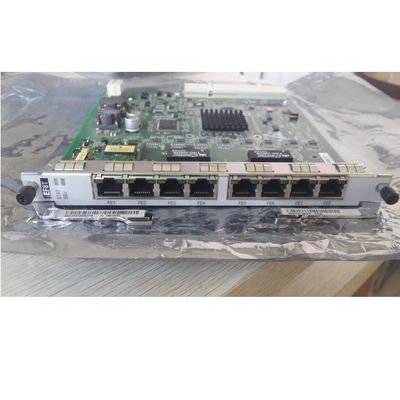
In enterprise network environments, the Huawei Synchronous Digital Hierarchy is well-suited for backbone network construction. With a range of ports such as FE, GE, 10GE, 40GE, E1, and T1, and 8 LAN ports, it offers extensive interface options to accommodate diverse networking needs. This makes it an excellent choice for businesses requiring reliable and high-capacity communication channels for their internal and external operations. The compact rack size of 2600x600x600mm ensures efficient use of data center space, making it practical for deployment in various physical environments.
Additionally, the Huawei Synchronous Digital Hierarchy supports telecommunications operators in building scalable and high-capacity optical transport networks. Its high switching capacity and multi-port configuration enable operators to handle increasing traffic demands while maintaining low latency and high reliability. This makes the Huawei Synchronous Digital Hierarchy a critical component in scenarios such as 5G backhaul, cloud service connectivity, and disaster recovery networks.
In summary, the Huawei Synchronous Digital Hierarchy product is a versatile and powerful solution suitable for telecommunications carriers, large enterprises, and data centers. Its advanced features, including high switching capacity, multiple optical interfaces, and various port options, make it adaptable to a wide range of networking scenarios, ensuring efficient and reliable data transport across different application occasions.
Customization:
Our Huawei Synchronous Digital Hierarchy (SDH) product, model number sdh, offers advanced customization services tailored to meet your specific network requirements. As a reliable CTN type device, it ensures efficient performance with power consumption of less than 2250 Watts, making it both powerful and energy-efficient.
The Huawei Synchronous Digital Hierarchy system supports multiple optical interfaces, including STM-16, STM-4, and STM-1, providing flexible connectivity options for diverse network architectures. With low latency design, it is especially suitable for real-time applications, ensuring seamless and timely data transmission.
Currently in stock, our Huawei Synchronous Digital Hierarchy product is ready for deployment and customization to fit your operational needs. Trust in the Huawei Synchronous Digital Hierarchy SDH product to deliver high performance, reliability, and scalability in your communication infrastructure.
Support and Services:
Huawei provides comprehensive Product Technical Support and Services for its Synchronous Digital Hierarchy (SDH) products to ensure optimal performance and customer satisfaction. Our support services include installation guidance, configuration assistance, maintenance, troubleshooting, and software upgrades.
Our technical support team of experts is available to assist customers with any issues related to Huawei SDH products, offering timely and effective solutions to minimize downtime and enhance network reliability. We also provide detailed product documentation, user manuals, and training resources to help customers maximize the benefits of their SDH systems.
Huawei’s SDH services encompass proactive monitoring, fault diagnosis, and preventive maintenance to ensure seamless network operation. We are committed to continuous improvement and innovation, delivering regular firmware updates and feature enhancements to keep your SDH equipment up-to-date with the latest industry standards.
Through our global service network, Huawei guarantees prompt response and on-site support when necessary, ensuring that customers receive the highest level of service quality and technical expertise. Our goal is to support your network infrastructure efficiently and effectively, enabling your business to achieve its communication objectives with confidence.
FAQ:
Q1: What is the Huawei SDH product used for?
A1: The Huawei SDH (Synchronous Digital Hierarchy) product is used for high-capacity, high-speed telecommunications transmission, enabling efficient and reliable data transport over optical fiber networks.
Q2: What are the key features of the Huawei SDH (model sdh)?
A2: The Huawei SDH model sdh offers features such as flexible network management, high bandwidth capacity, low latency, enhanced network reliability, and seamless integration with existing telecom infrastructure.
Q3: Which types of networks are compatible with the Huawei SDH product?
A3: Huawei SDH is compatible with various network types including metro, regional, and long-haul optical fiber networks, supporting both legacy and next-generation telecom services.
Q4: How does Huawei SDH ensure network reliability?
A4: Huawei SDH ensures network reliability through built-in redundancy, automatic protection switching (APS), and robust fault detection mechanisms that minimize downtime and maintain continuous service.
Q5: Can Huawei SDH support multiple service types simultaneously?
A5: Yes, Huawei SDH supports multiple service types such as voice, data, and video simultaneously, allowing for efficient multiplexing and transport of diverse telecom services over a single network platform.


 Your message must be between 20-3,000 characters!